

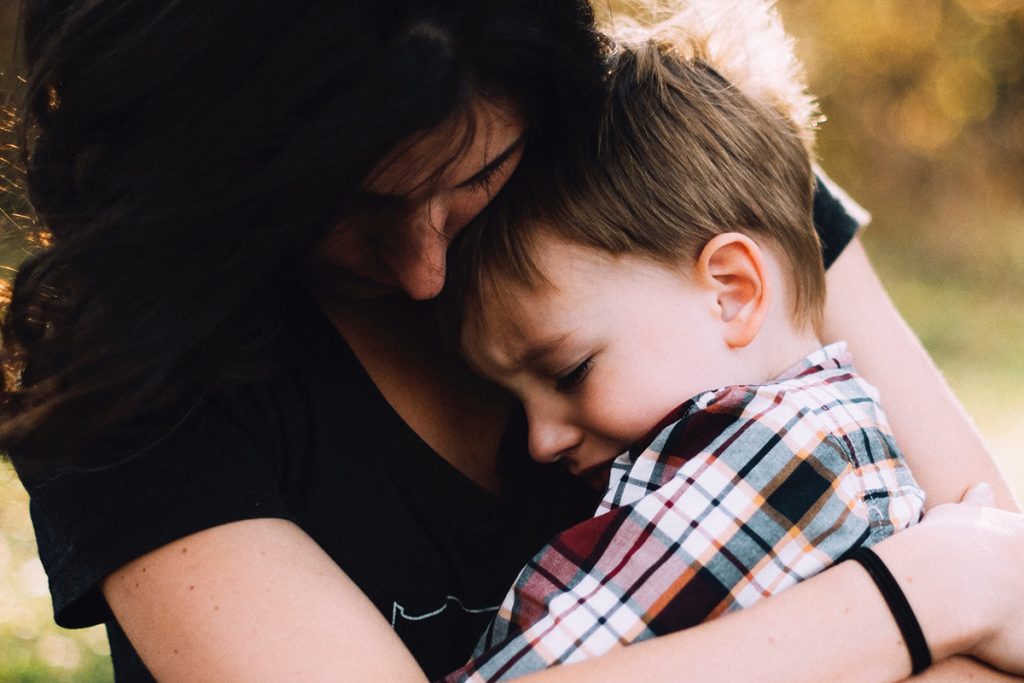
Bullying is intentional, repetitive aggression that causes harm to someone who has less power or strength. It can take many forms such as physical attacks, name-calling, spreading rumors, online harassment, and more. It can occur in different places like at school, work, or online. Bullying can cause severe and long-lasting emotional and psychological damage to the person being bullied.
Discussing bullying with your child may be difficult, but it is important that you bring it up. As a parent, you can play a crucial role in helping your child navigate these difficult situations. Here are some steps you can take to have an honest and open conversation with your child about bullying:
- You can start by explaining to your child the meaning of bullying and the different types of bullying. Talk about physical, emotional, and cyberbullying.
- Encourage your child to share their experiences with you by creating a safe and comfortable environment for discussion.
- Ask your child to think about possible solutions such as seeking help from trusted adults or coming up with alternative ways to respond to bullying. Be reflective and interactive with your child as they consider different ways they can take action.
- Discuss with your child what they can do if they see bullying happening around them whether at school, in the neighborhood or any other place.
- Maintain an open and supportive dialogue with your child, reminding them that they can always come to you if they ever experience bullying.
Discussing bullying with your child is important. By educating them about bullying, encouraging them to come up with solutions, and assuring them that they can always confide in you, you can help your child navigate through these difficult situations.
Maintain a supportive dialogue with your child, focus on finding solutions, and attend school events and activities with them to help them feel supported and connected. Don’t forget to inform your child’s teacher or school counsellor about the situation and ensure that they are taking steps to address it. Feel free to reach out for parenting sessions or if you have any further queries. Together, we can create a safe and respectful environment where your child feels supported